Why We Built a Collaborative Controller
Most of today's industry adapts industrial robot controllers for collaborative arms rather than using dedicated control solutions, so dynamics performance, interaction logic, and ease of use fall far short of OEMs with in-house systems — leaving little competitive edge. We therefore decided to launch a dedicated motion control system for collaborative robots to fill this gap.
Centering on human-robot collaboration and safety positioning for collaborative robots, we optimized the hardware controller and the entire control software stack from the ground up through purpose-built development.
Deeply rooted in domestic motion control fundamentals, we are committed to providing robot manufacturers with a collaborative motion control system whose performance surpasses in-house systems.
Why Choose iNexBot
Outstanding Dynamics Performance
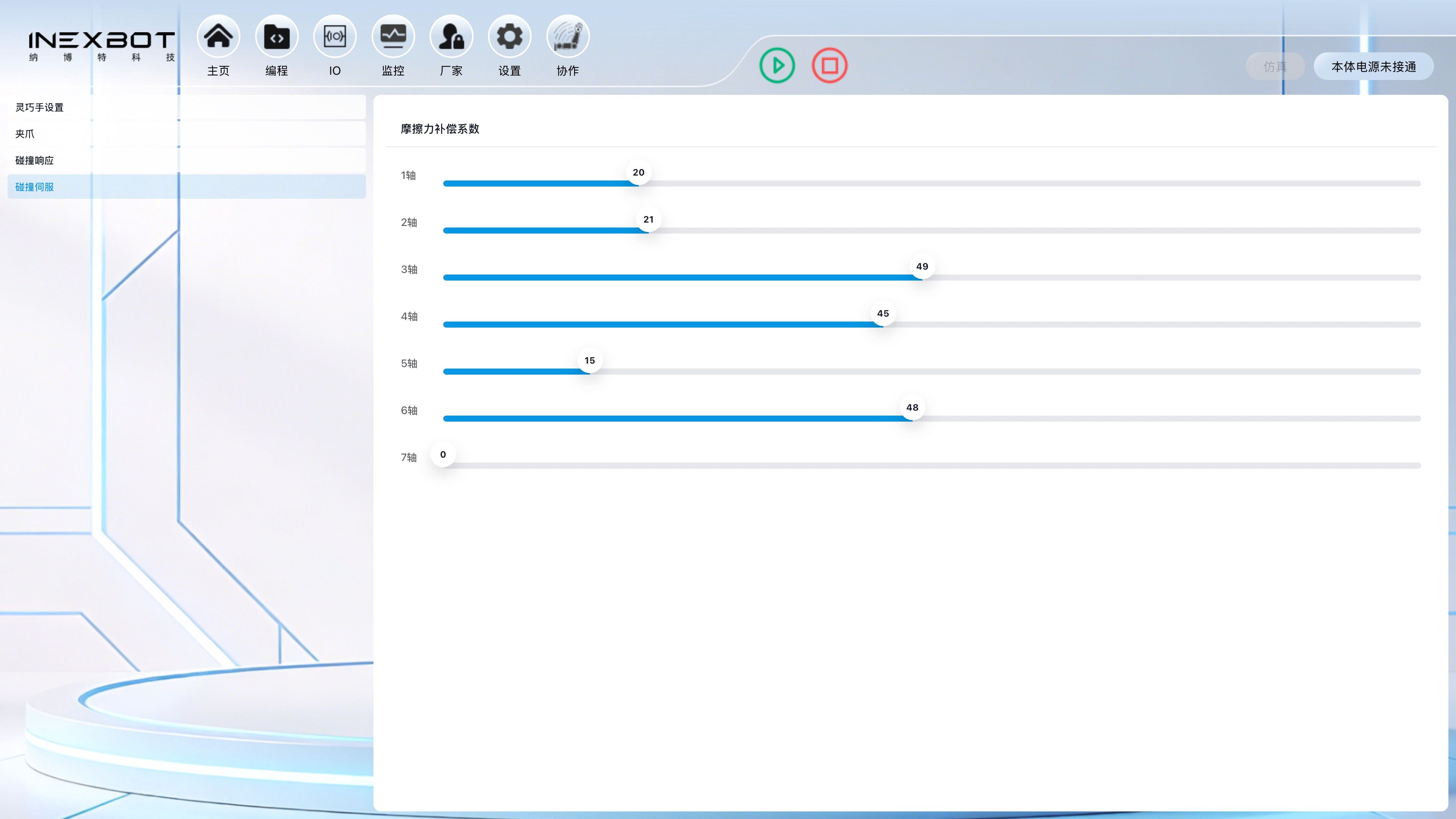
Integrated full-stack robot dynamics and compliant control algorithms, covering rigid-body dynamics modeling, recursive Newton-Euler computation, minimal inertial parameter identification, gravity compensation, Coriolis and centrifugal force compensation, joint friction modeling, and model-based feedforward control.
Supports automatic load identification and estimation of end-effector center-of-mass and inertia parameters. The dynamics model can be compensated based on tooling and load, enabling full-parameter, high-bandwidth dynamics compensation.
Easy Teach Programming
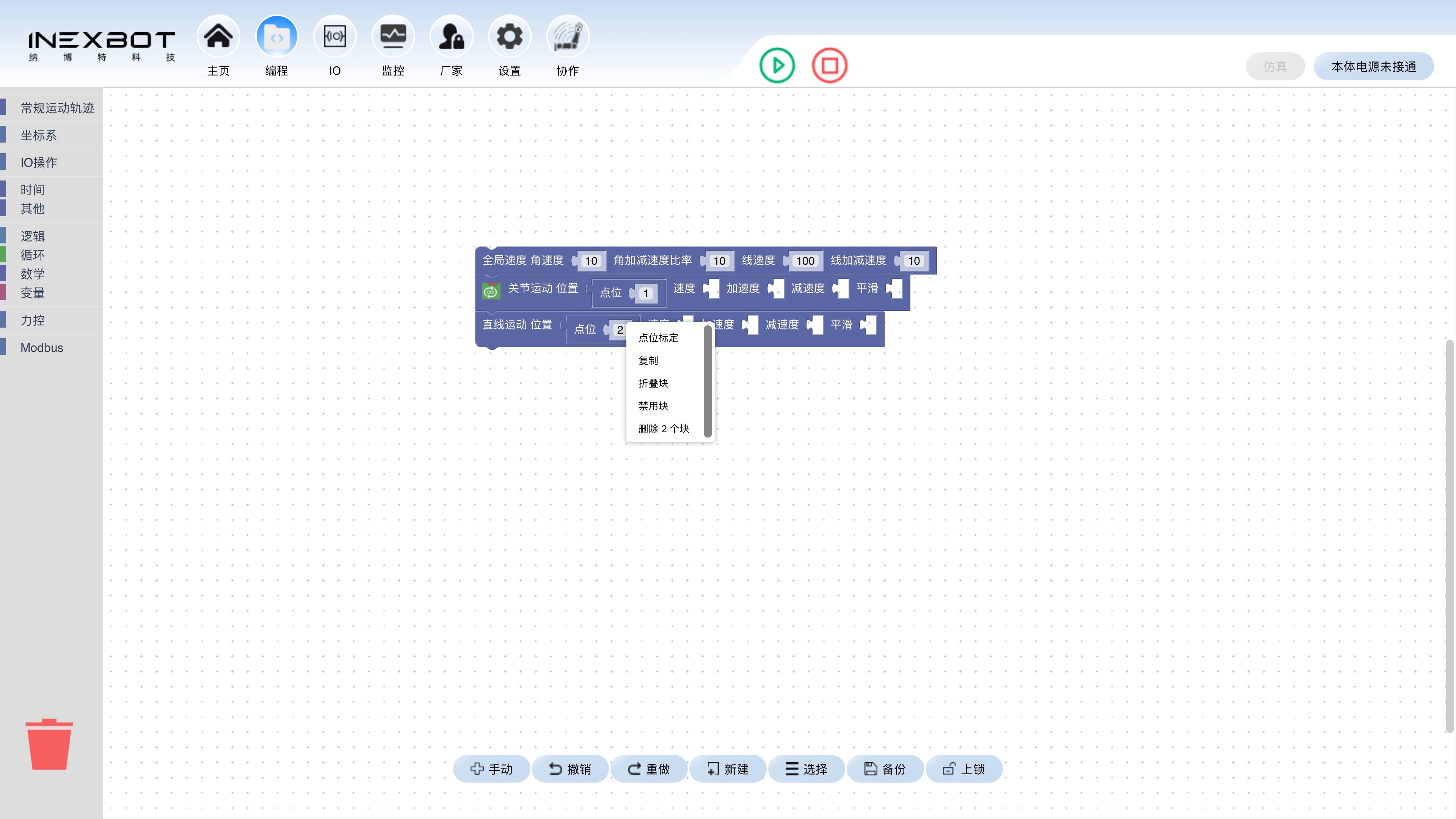
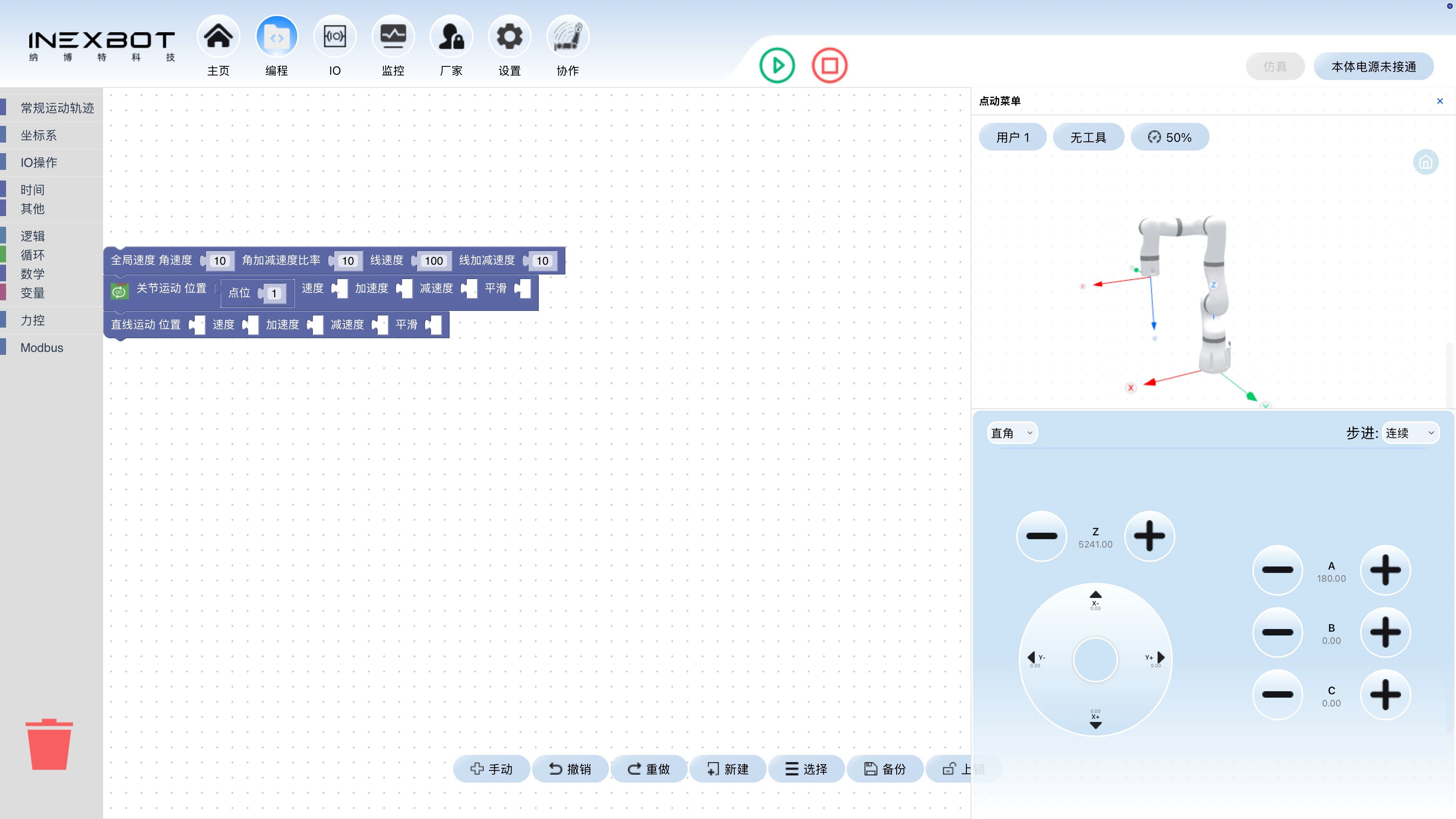
Combined with graphical programming and robot simulation, programming becomes more intuitive.
Supports manual drag teaching and trajectory recording, with real-time capture of robot pose, velocity, and IO triggers, and configurable millisecond-level sampling periods. Built-in trajectory smoothing, key point extraction, velocity planning, and posture continuity optimization algorithms effectively suppress jitter and redundant points during manual teaching, accurately reproducing the operator's motion intent.
Open Development Ecosystem
Supports a Python script engine with a rich set of motion control commands, enabling flexible custom secondary development.
A complete SDK development kit is provided, including one-click deployment tools, multi-scenario functional demos, and a comprehensive API library, greatly lowering the development barrier.
Supports localized forward and inverse kinematics solving — no network latency — fully compatible with Windows/Linux operating systems and mainstream x86/ARM architectures.
Developers can flexibly call motion, force control, IO, and communication interfaces to quickly integrate peripherals such as vision systems and welders, build their own upper-level control systems and proprietary process solutions, and natively support ROS2 to drive intelligent upgrades.
Safety Protection
At the application layer: software limits, virtual walls, parameter validation, and zone-based speed limiting. At the base layer: real-time torque monitoring, graded collision response, singularity avoidance, and collision detection, combined with emergency stop circuits, teach enable switches, and overload protection — forming a multi-level collaborative safety protection system.
Force Control
The controller's base layer integrates dual-mode compliant control algorithms for impedance and admittance, collecting real-time joint torque information to resolve external contact forces. Impedance control suppresses collision impact, while admittance control provides compliant end-effector position adjustment, adaptively compensating for workpiece positioning deviations and meeting the force control requirements of complex processes such as precision insertion, constant-force polishing, press-fit alignment, and flexible lamination.
Admittance Control Based on Joint Torque Sensors
Admittance Control Based on Six-Axis Force
Constant-Force Control Based on Joint Torque Sensors
Absolute error < 0.6 N; repeatability error < 0.1 NApplication Cases
TianLian Desktop Collaborative Robot
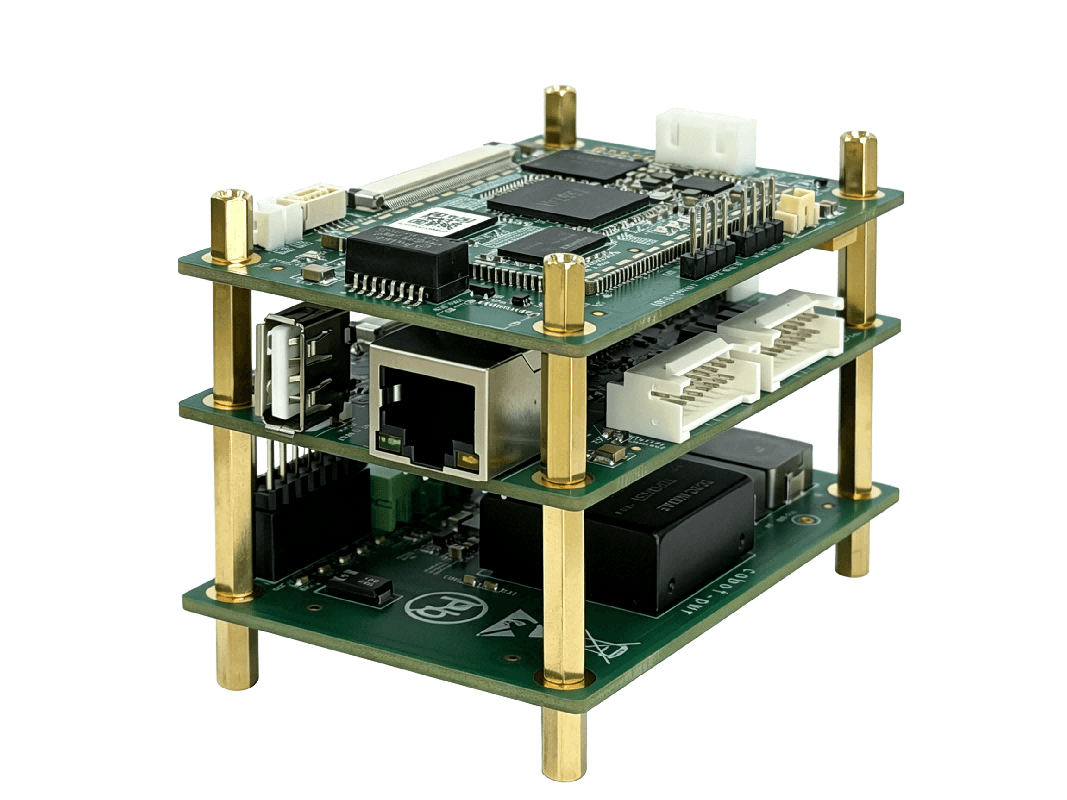
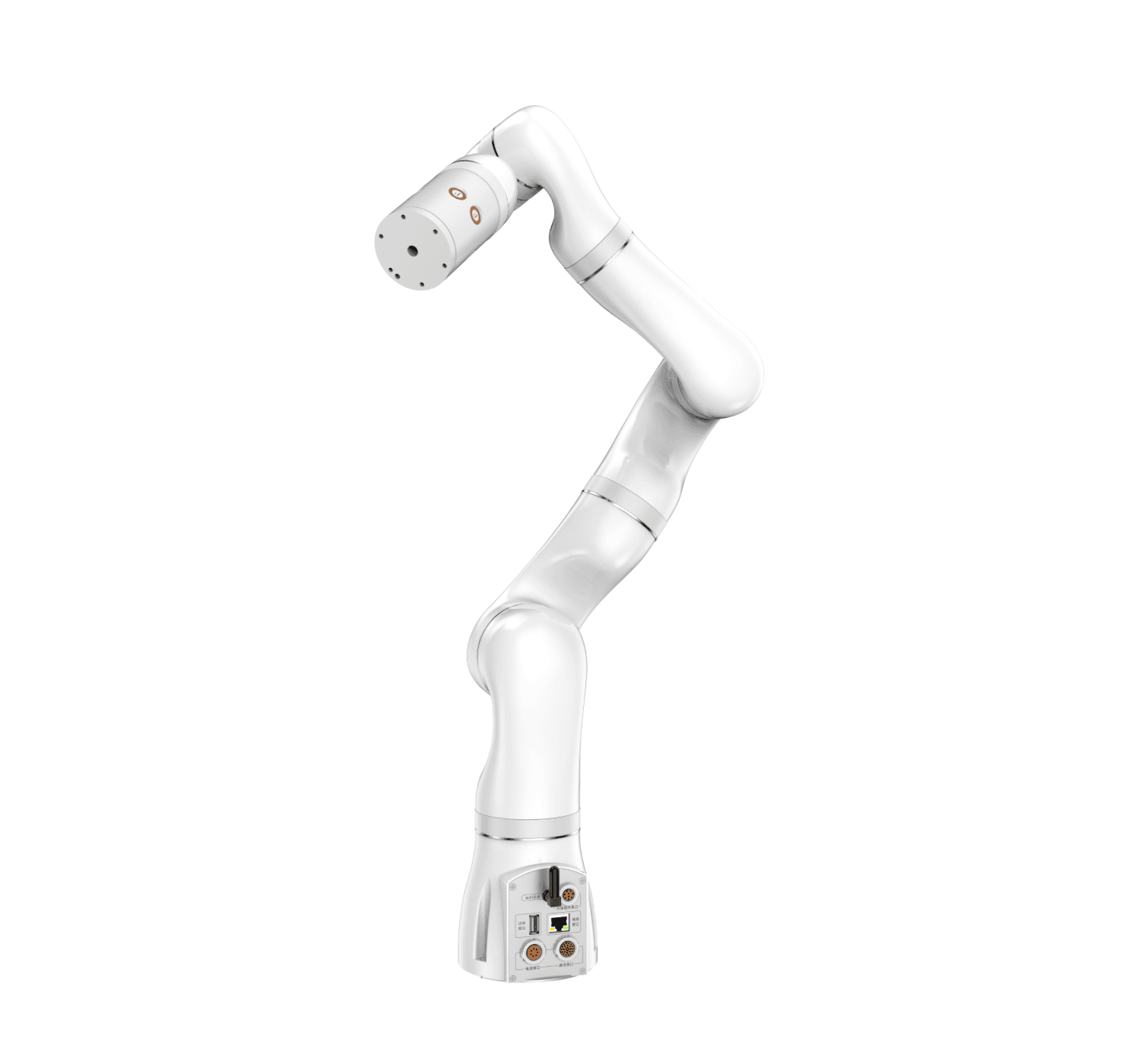
Taking advantage of its compact size, the controller is integrated into the robot base and connects wirelessly to a PC, eliminating cabling. It mainly targets applications such as scientific research and education, small-scale assembly, and laboratory automation.
Collaborative Welding Cart
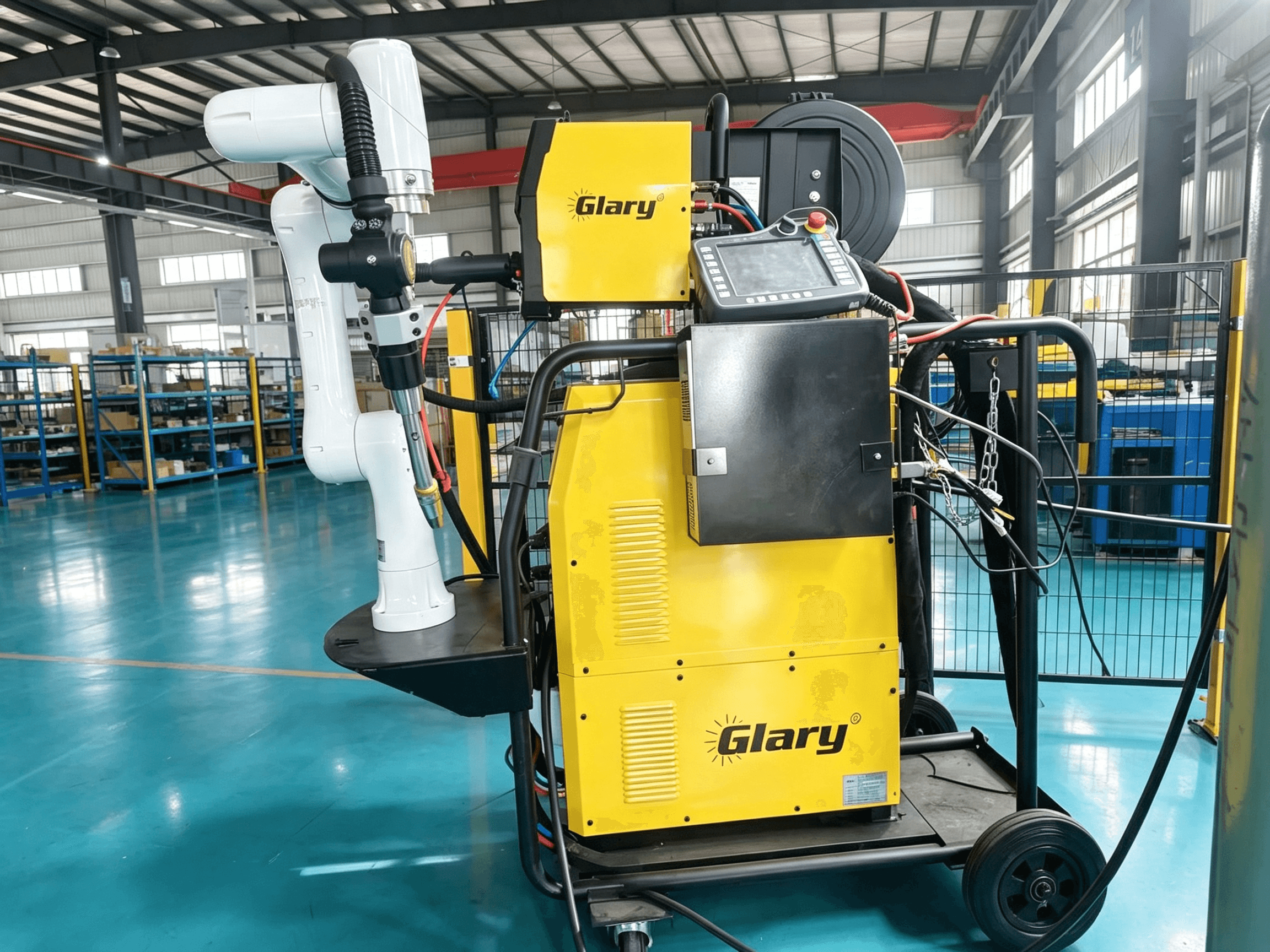
The hardware uses an integrated solution combining the ROKAE SR5 arm, the Xingchen 1 drive-control cabinet, and a Glary welder.
Traditional drag teaching for welding is easily affected by the weight of the welding gun, the wire feeder, and the drag forces of welding cables and hoses, causing uneven drag resistance, jerky posture transitions, and trajectory deviation — making it especially difficult to teach stable welds in complex spaces.
Based on a high-precision full-parameter dynamics model, the system integrates tool load identification, end-effector center-of-mass compensation, joint friction compensation, gravity feedforward, and cable disturbance suppression algorithms to compensate in real time for the additional torques generated by the welding gun, cables, and external accessories, significantly reducing the impact of nonlinear drag forces on teaching feel and trajectory accuracy.
Product Combinations
| Supply method | Part numbers | Who it's for |
|---|---|---|
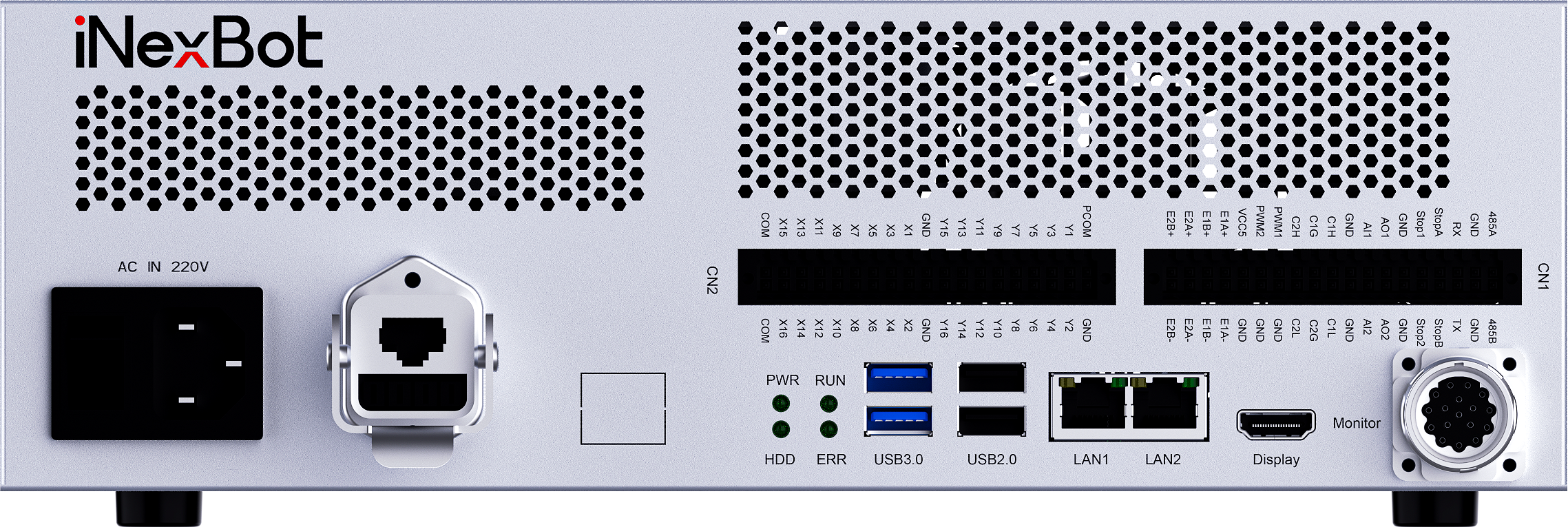
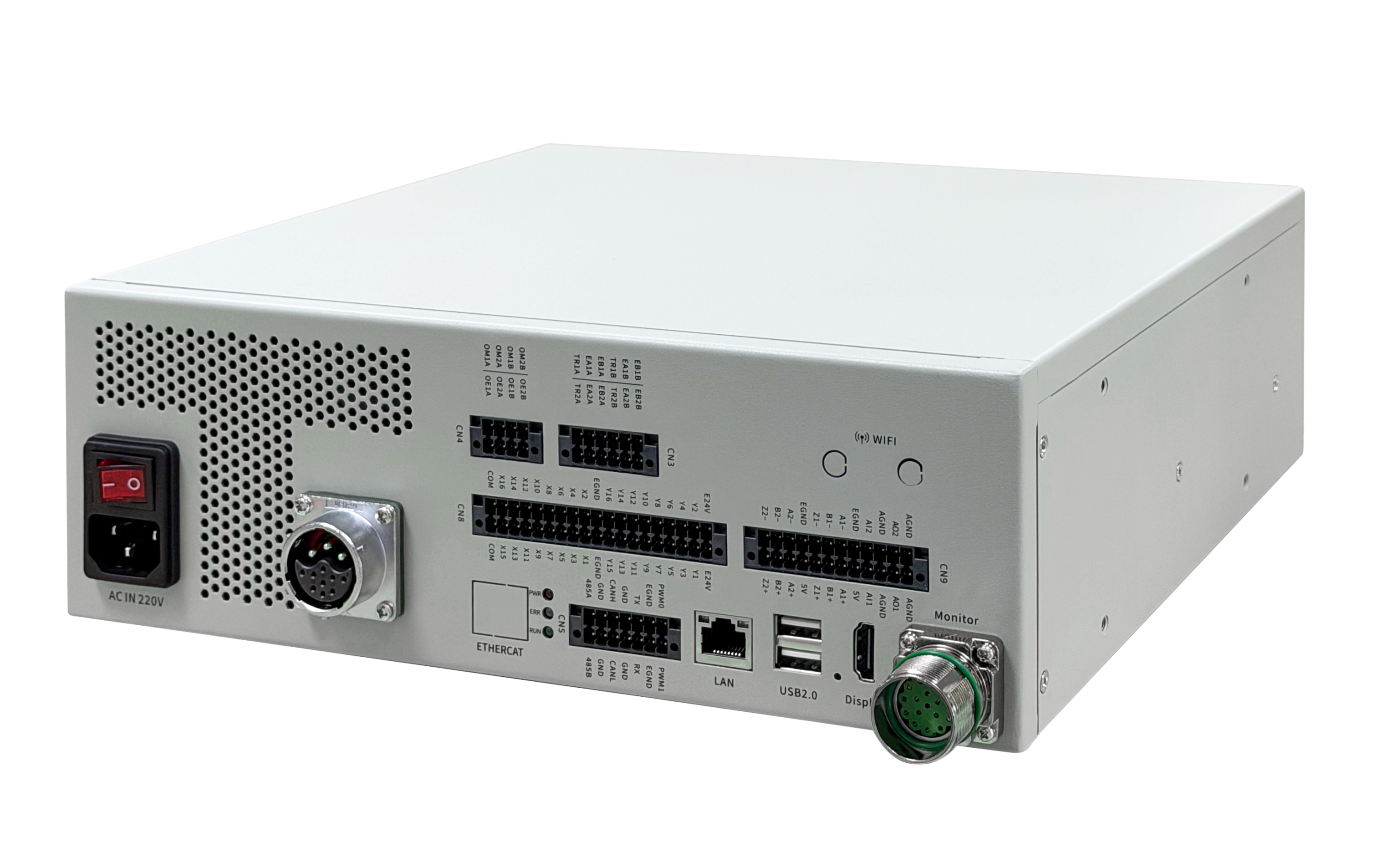
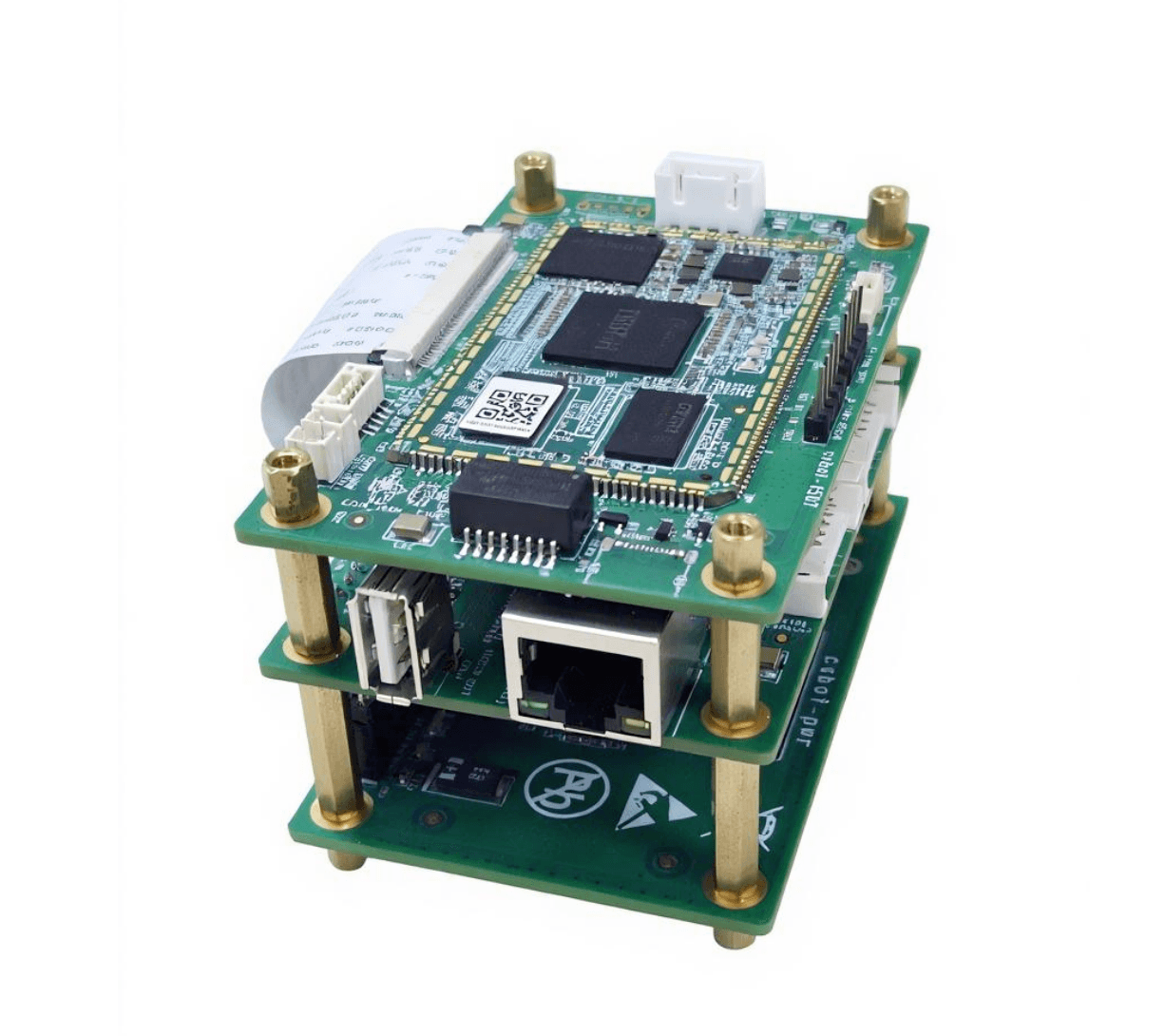
| Controller standalone | C2202 controller, Cobot collaboration system | Users who control via PC or tablet and build their own control cabinet |
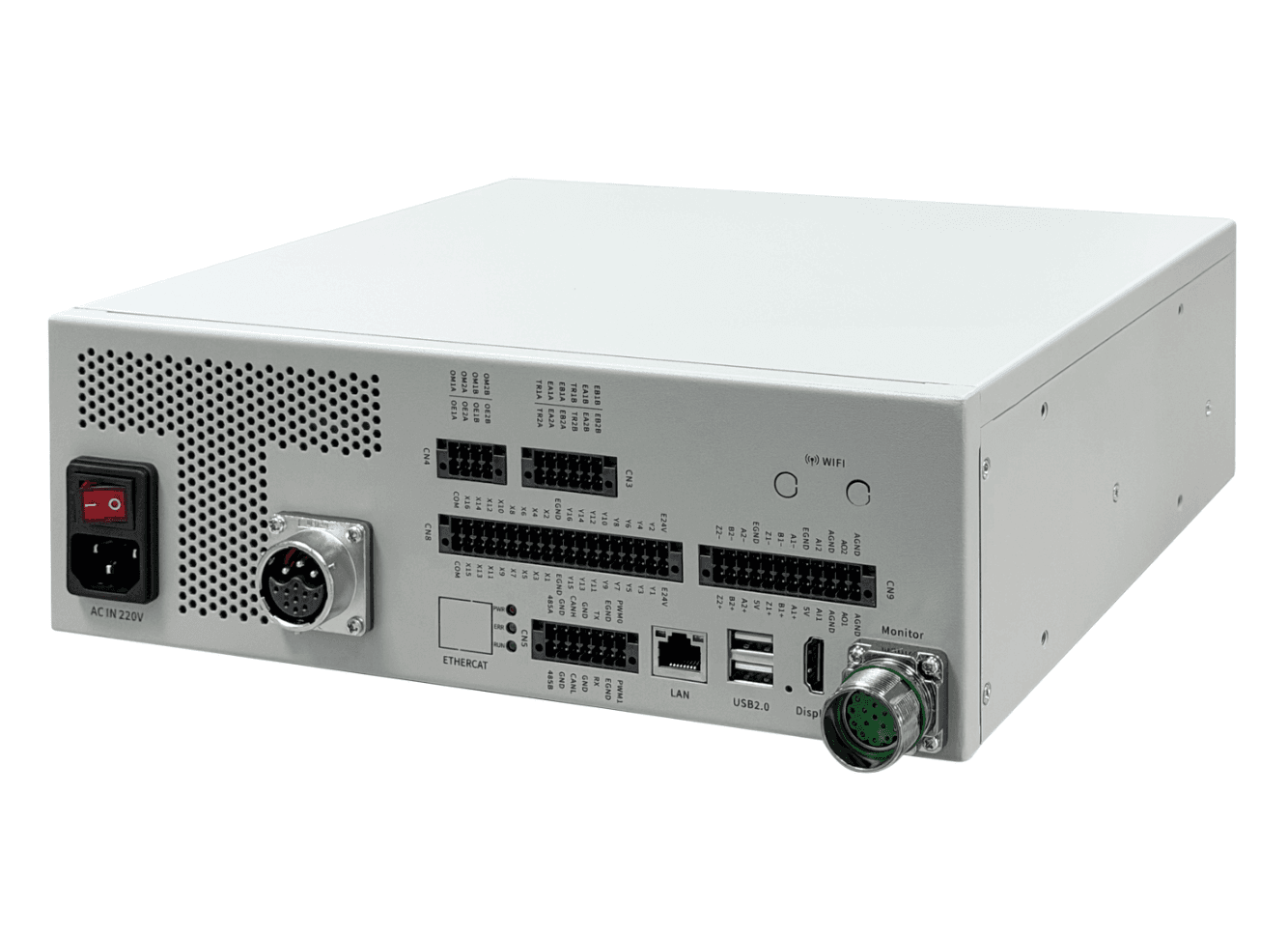
| Drive-control integrated cabinet + teach pendant | X01 drive-control integrated cabinet, HTY teach pendant, Cobot collaboration system | Users who need us to provide the control cabinet |
Technical Specifications
| Item | Specification |
|---|---|
| Compatible robots | 6-axis / 7-axis collaborative robots |
| Motion commands | MOVJ / MOVL / MOVC / MOVS, etc. |
| Interpolation | Trapezoidal / S-curve / jerk-limited interpolation |
| Position resolution | 0.001° |
| Control cycle | 1 ms / 4 ms |
| Programming | Graphical commands + Python scripts |
| Teaching methods | Drag teaching, jogging (joint / Cartesian / tool / user), stepping |
| Dragged trajectories | Record, save, replay |
| Safety functions | Current-torque monitoring, flexible collision detection, admittance / impedance control, virtual walls, singularity avoidance, safe posture |
| Force control | Graded collision force adjustment, constant-force control |
| Load identification | Automatic mass / center-of-mass / inertia identification (approx. 10 minutes) |
| Tool calibration | 6-point / 7-point / 12-point methods |
| Coordinate systems | Joint / Cartesian / tool / user |
| Controller IO | 6×DI / 6×DO / 2×AI / 2×AO (C2202) |
| Communication interfaces | Ethernet, RS485 ×2, Wi-Fi (AP/STA), CAN, EtherCAT |
| Fieldbus | Modbus master (TCP + RTU), multiple process numbers, configurable address offset |
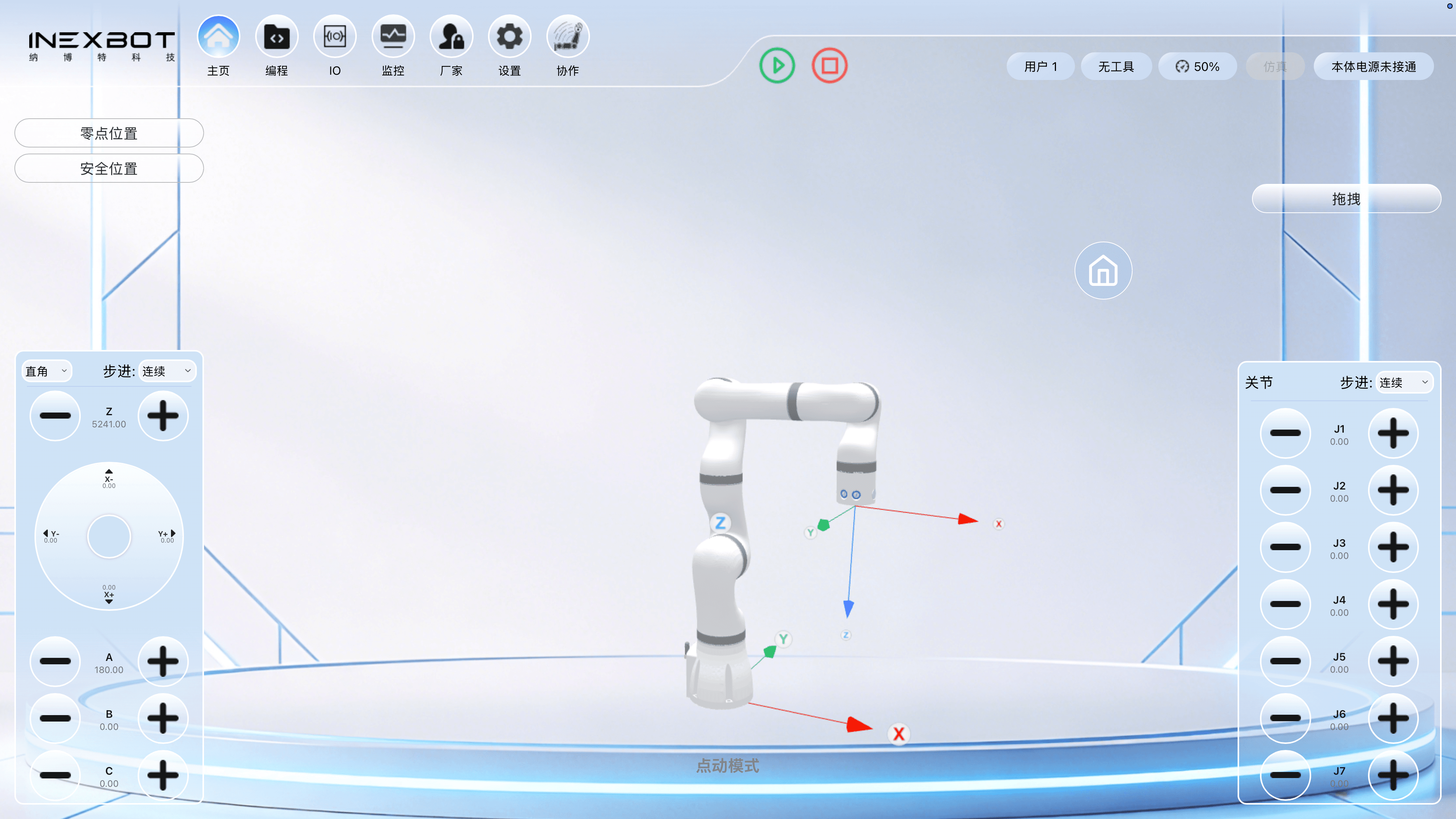
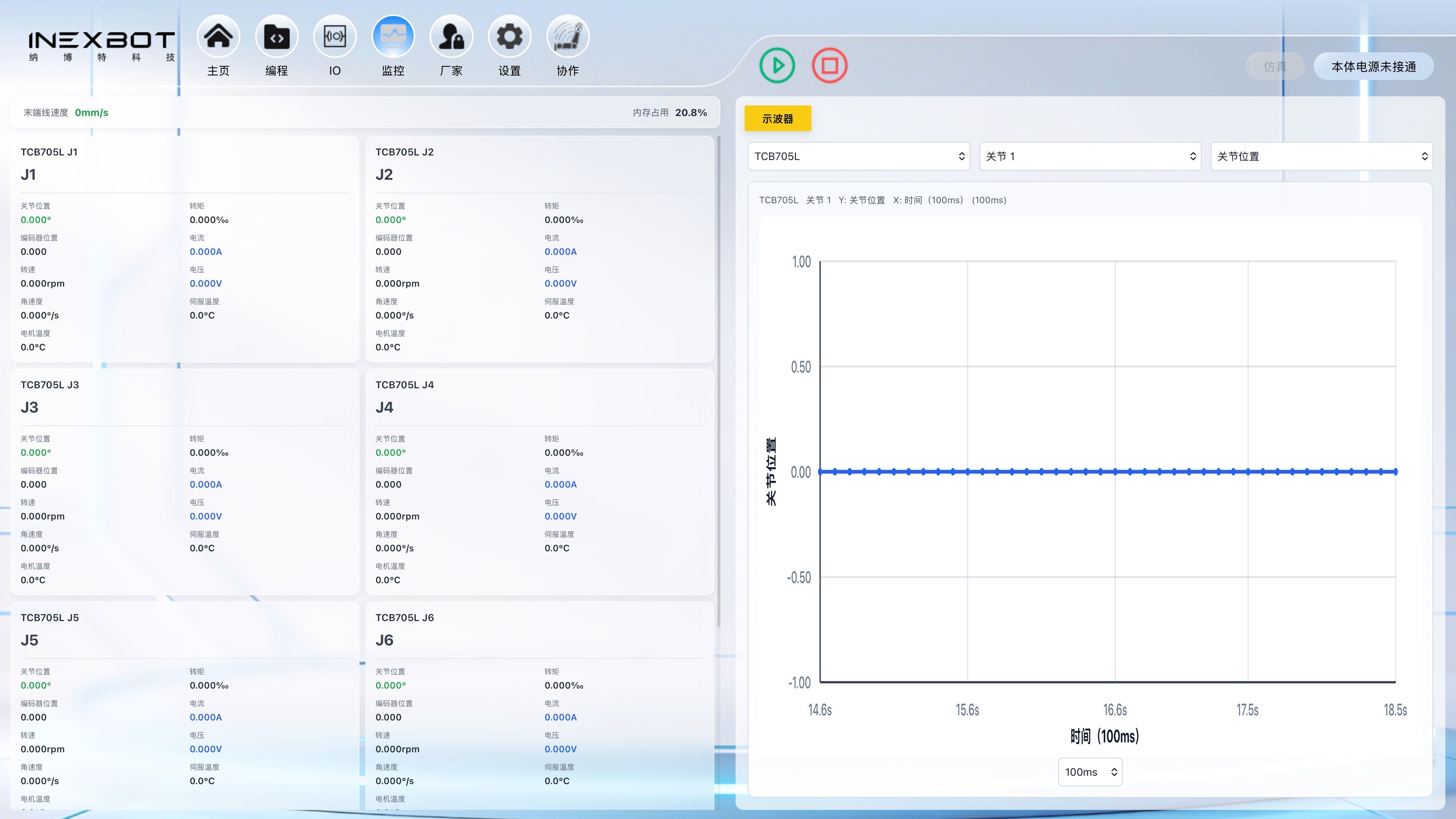
| Human-machine interaction | Web interface (browser / phone / tablet / PC), HD simulation, graphical programming, drag programming |
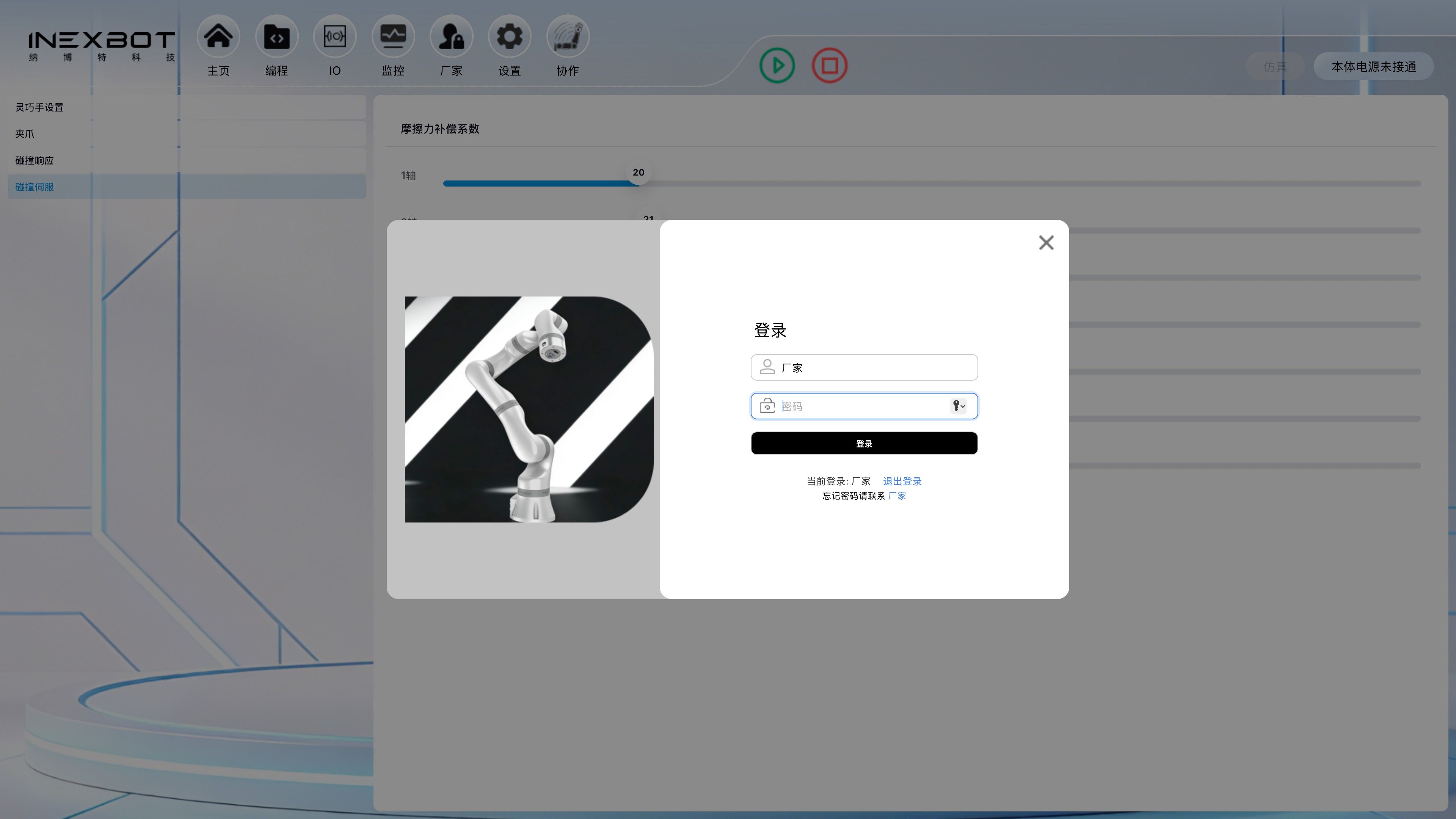
| User roles | Operator (password-free) / manufacturer (password login) |
| Controller version | v26.06 |