What Is an Industrial Robot?
In general, an industrial robot consists of three major parts and six subsystems.
The three major parts are the mechanical part, the sensing part, and the control part.
The six subsystems are the mechanical structure system, drive system, perception system, robot-environment interaction system, human-machine interaction system, and control system.
Mechanical Structure System
From a mechanical structure perspective, industrial robots fall into two general categories: serial robots and parallel robots. A characteristic of serial robots is that the motion of one axis changes the coordinate origin of another axis, whereas in a parallel robot, the motion of one axis does not change the coordinate origin of another. Early industrial robots all used serial mechanisms. A parallel mechanism is defined as a closed-loop mechanism in which a moving platform and a fixed base are connected through at least two independent kinematic chains, has two or more degrees of freedom, and is driven in parallel. A parallel mechanism consists of two parts: the wrist and the arm. The arm's working range has a major impact on the workspace, while the wrist is the connecting part between the tool and the main body. Compared with serial robots, parallel robots offer greater stiffness, structural stability, and load capacity, higher micro-motion precision, and lower moving load. When solving for position, the forward kinematics of a serial robot are easy to compute but the inverse kinematics are extremely difficult; parallel robots are the opposite — their forward kinematics are difficult, but the inverse kinematics are very easy.
Drive System
The drive system is the device that supplies power to the mechanical structure system. Depending on the power source, drive transmission falls into four types: hydraulic, pneumatic, electric, and mechanical. Early industrial robots used hydraulic drives. Because hydraulic systems suffer from leakage, noise, and low-speed instability, and their power units are bulky and expensive, hydraulic-driven industrial robots are now used only in large heavy-payload robots, parallel machining robots, and certain special applications. Pneumatic drives offer fast speed, simple system structure, easy maintenance, and low cost. However, pneumatic devices operate at low working pressure and are difficult to position precisely, so they are generally used only to drive the end effectors of industrial robots. Pneumatic grippers, rotary cylinders, and pneumatic suction cups, used as end effectors, can handle the grasping and assembly of small- and medium-load workpieces. Electric drive is currently the most widely used drive method: it offers convenient power access, fast response, high driving force, and easy signal detection, transmission, and processing, and supports a variety of flexible control modes. Drive motors are generally stepper or servo motors; direct-drive motors are also used today, though they are more expensive and more complex to control. The reducers paired with motors are typically harmonic reducers, cycloidal pin-wheel reducers, or planetary gear reducers. Because parallel robots have extensive linear drive requirements, linear motors are now widely used in the parallel robot field.
Perception System
The robot perception system converts signals conveying the robot's internal state and environmental information into data and information that the robot itself or robots can understand and use. Besides sensing mechanical quantities related to its own working state, such as displacement, velocity, and force, visual perception is an important aspect of industrial robot perception. Visual servoing systems use visual information as feedback signals to control and adjust the robot's position and posture. Machine vision systems are also widely used in quality inspection, workpiece recognition, food sorting, and packaging. The perception system consists of internal sensor modules and external sensor modules, and the use of smart sensors improves robot mobility, adaptability, and intelligence.
Robot-Environment Interaction System
The robot-environment interaction system enables the robot to connect and coordinate with devices in the external environment. The robot integrates with external equipment into a functional unit, such as a machining unit, welding unit, or assembly unit. Multiple robots can also be integrated into a single functional unit to perform complex tasks.
Human-Machine Interaction System
The human-machine interaction system consists of the devices through which humans communicate with the robot and participate in its control — for example, standard computer terminals, command consoles, information display panels, and hazard alarms.
Control System
The control system's task is to command the robot's actuators to perform the required motions and functions according to the robot's task instructions and the signals fed back from sensors. A robot without information feedback operates as an open-loop control system; one with information feedback operates as a closed-loop control system. By control principle, systems can be classified into program control systems, adaptive control systems, and artificial intelligence control systems. By the form of motion control, they can be classified into point-to-point control and continuous path control.
Robot Types Supported by NexDroid
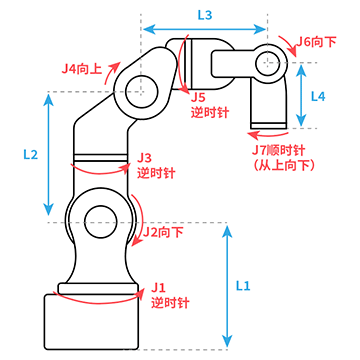
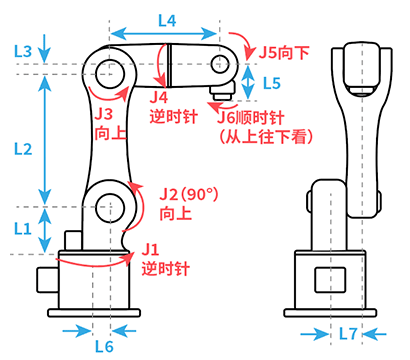
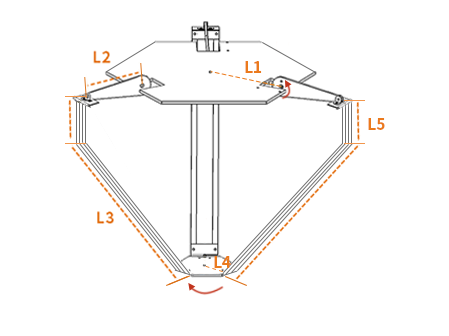
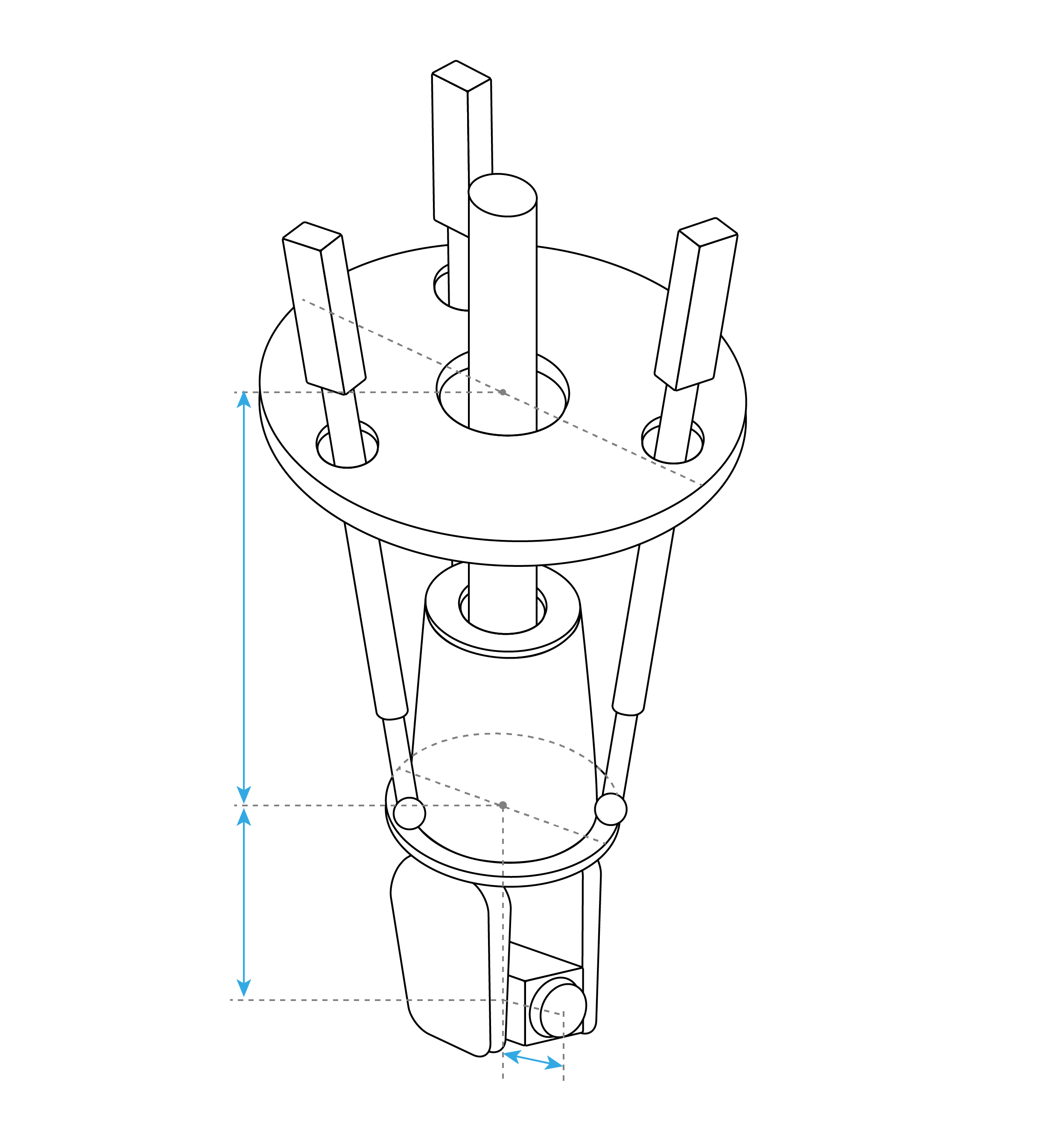
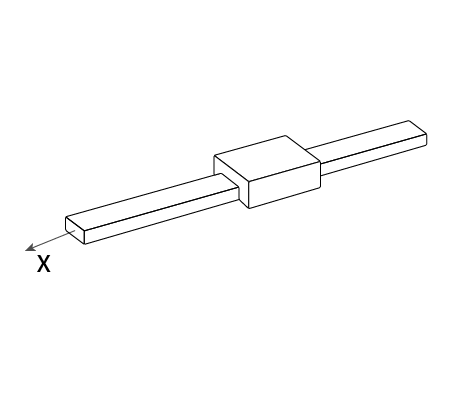
The NexDroid control system supports the following robot types, including but not limited to:
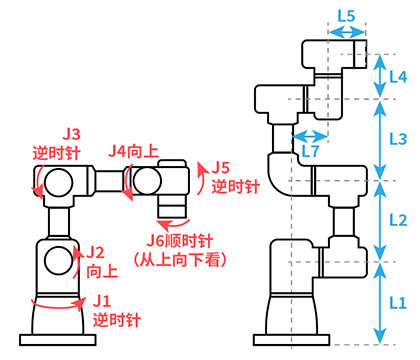
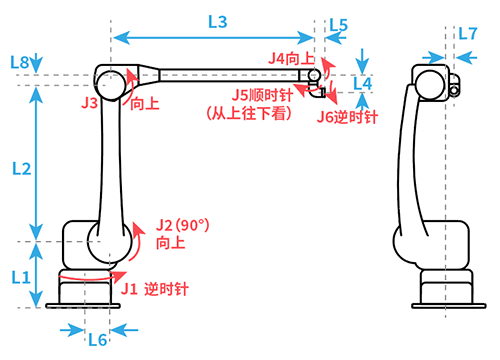
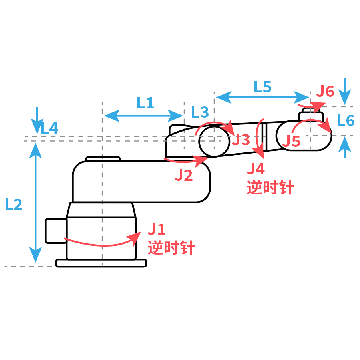
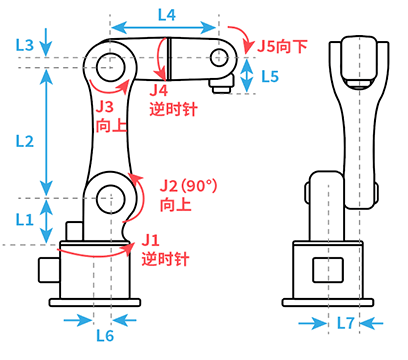
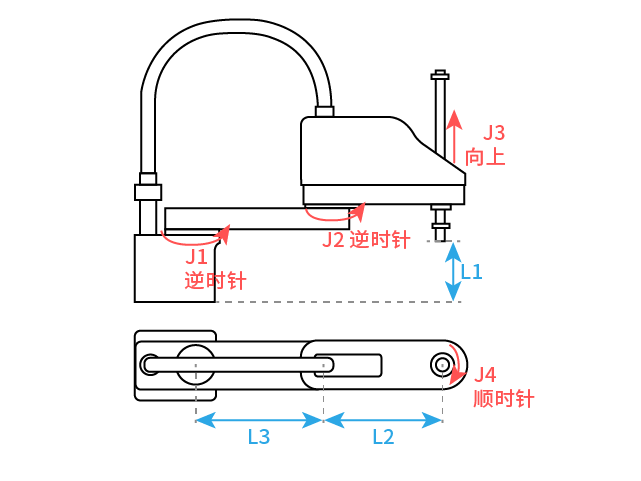
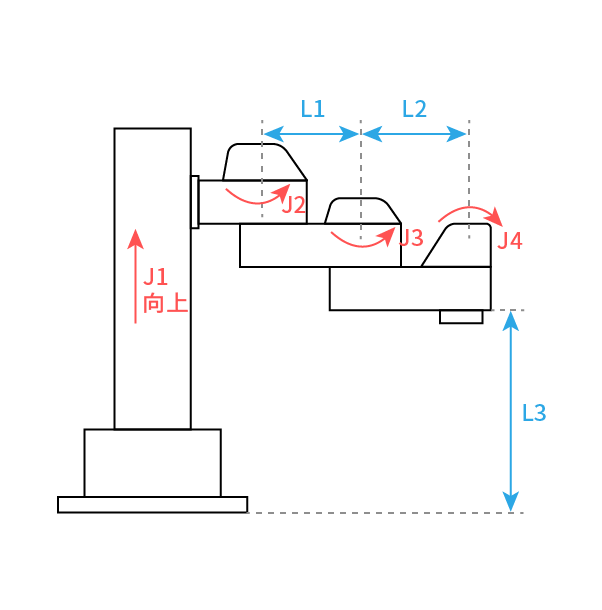
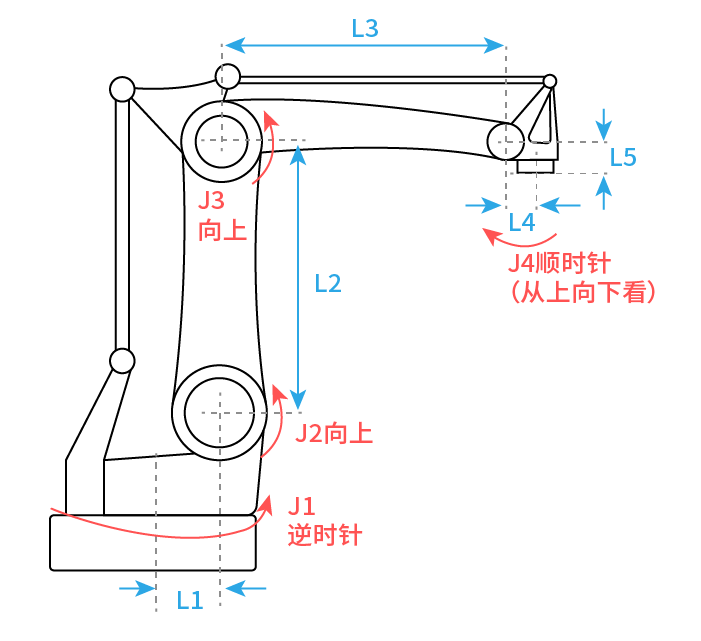
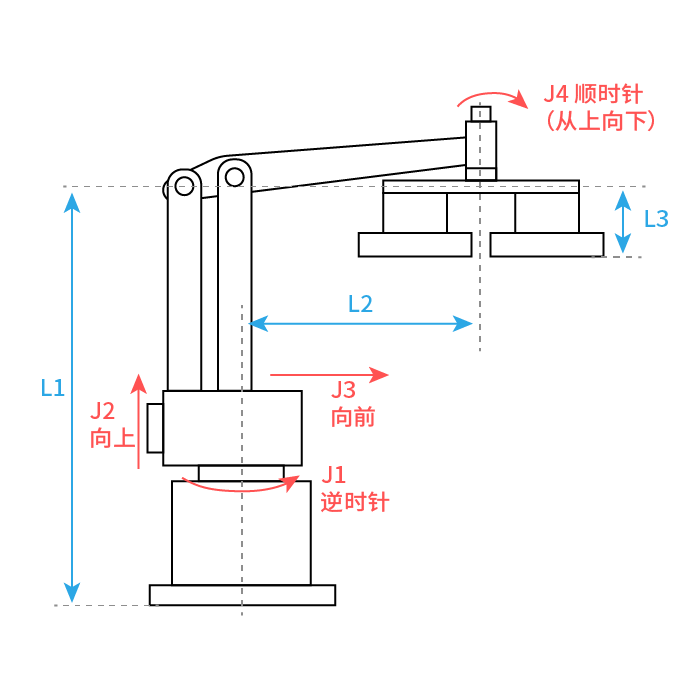
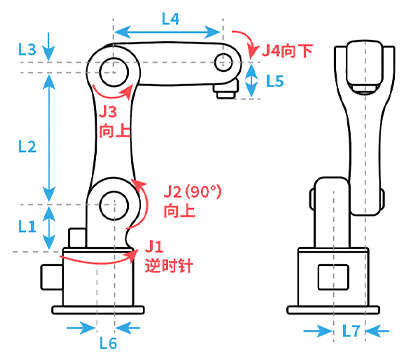
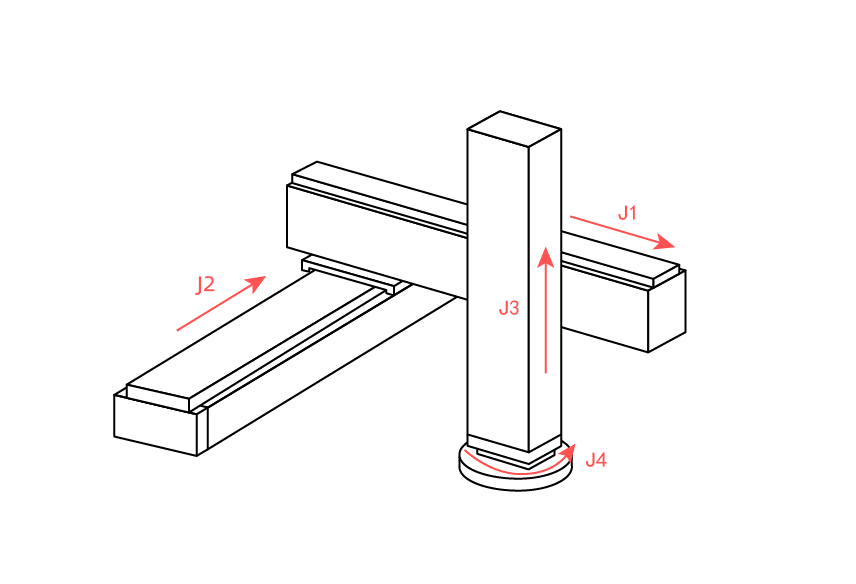
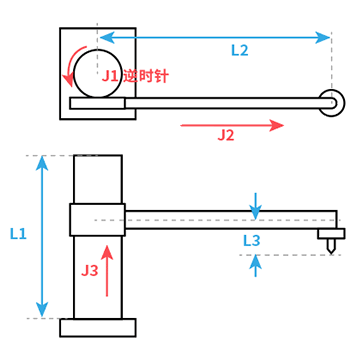
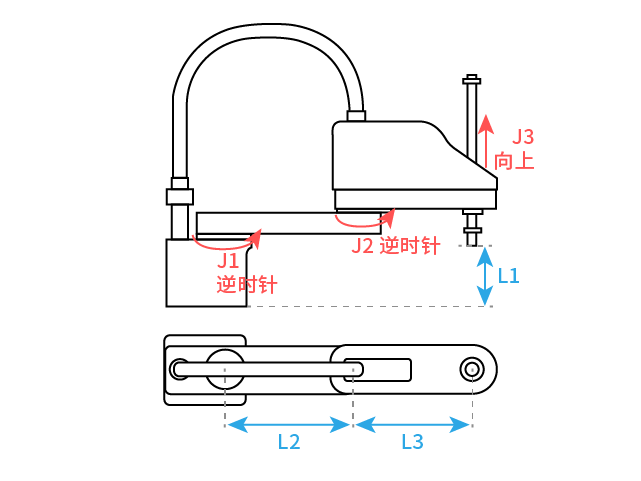

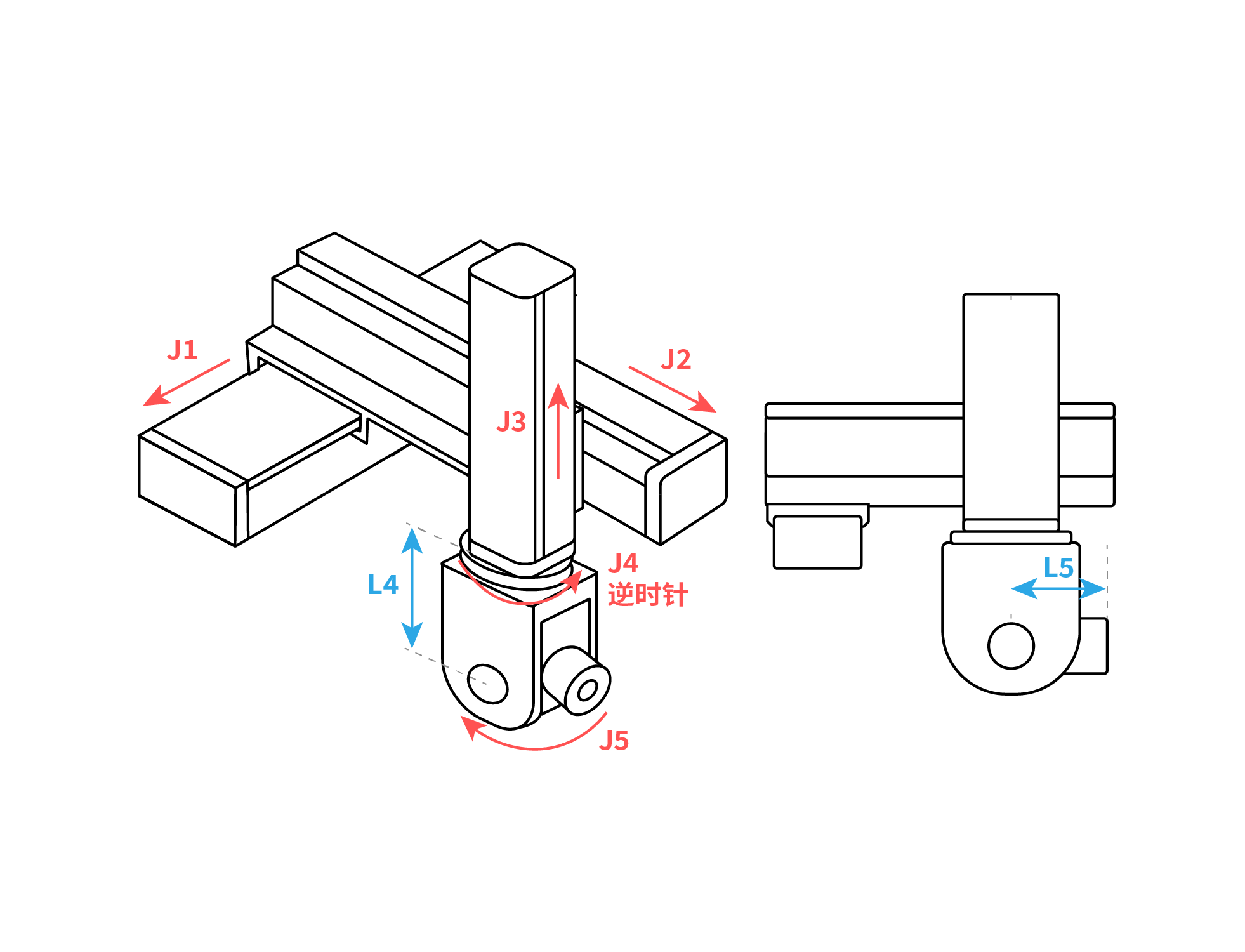
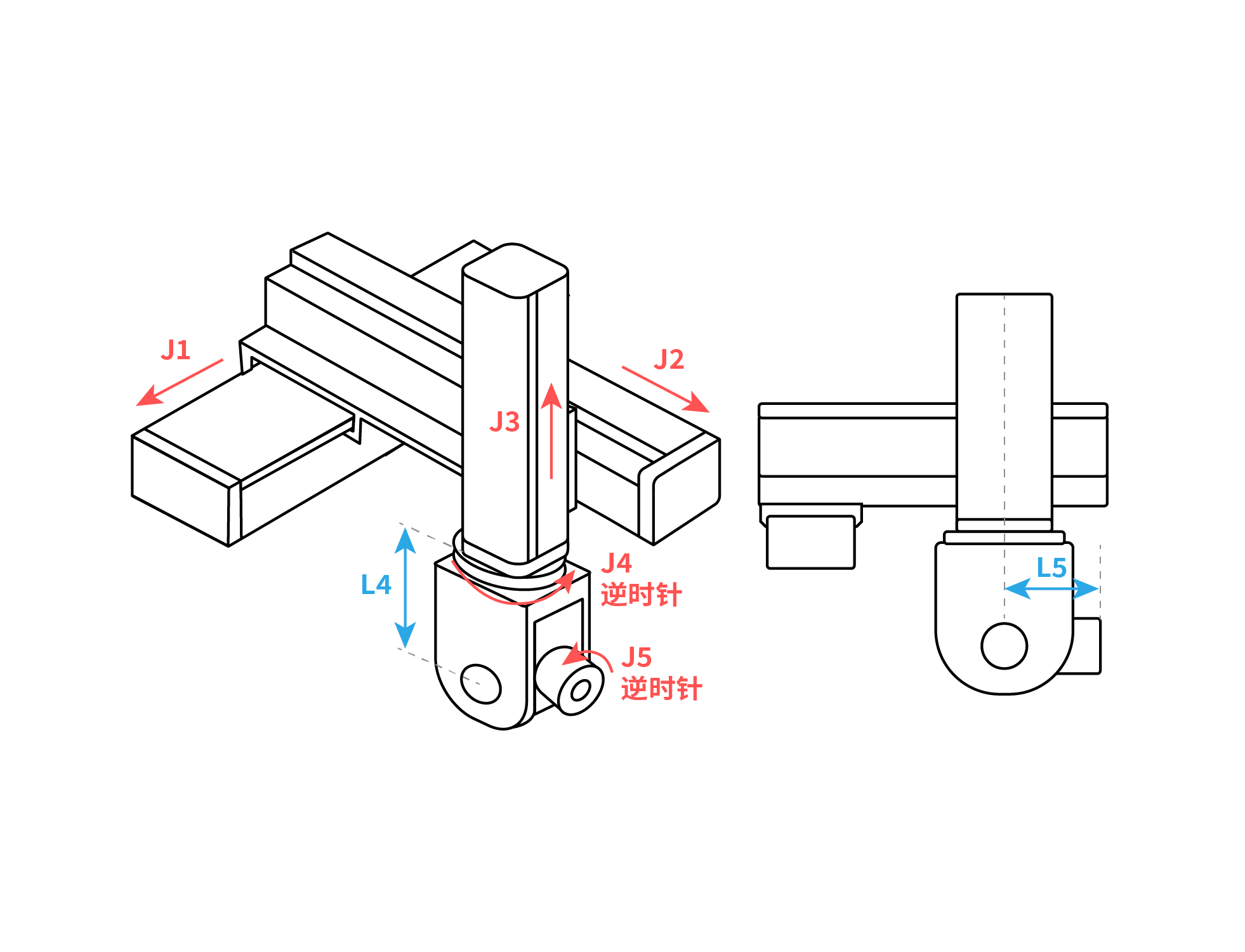
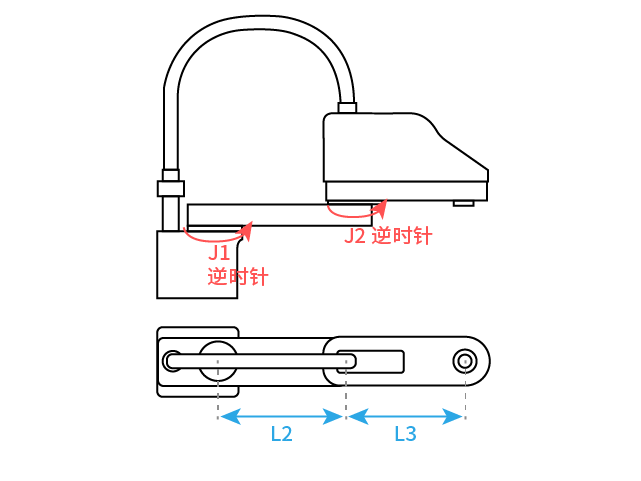
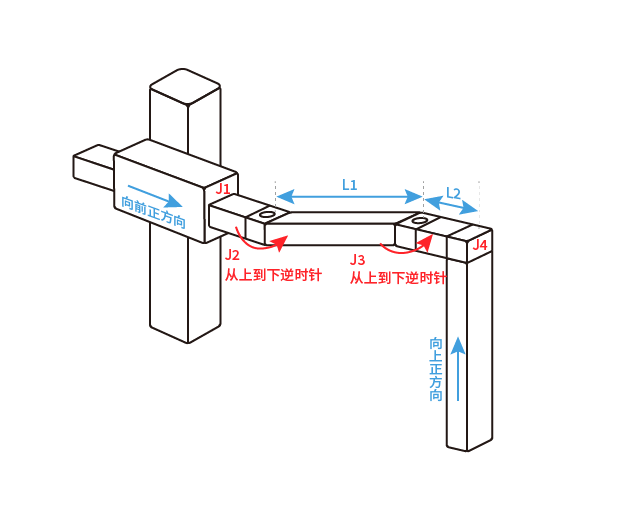
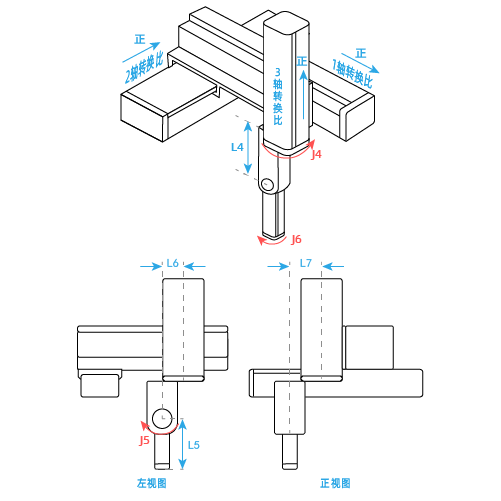
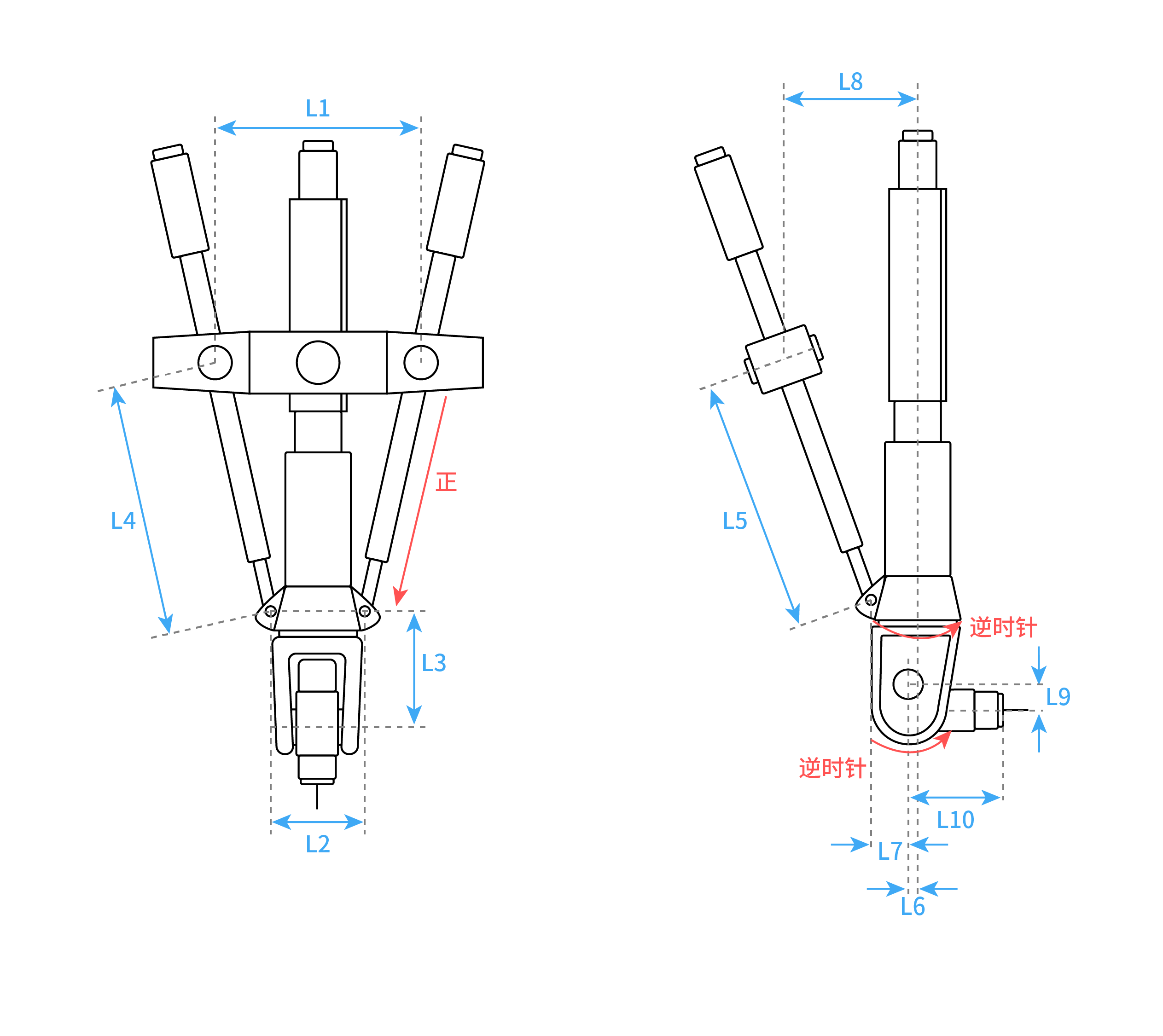
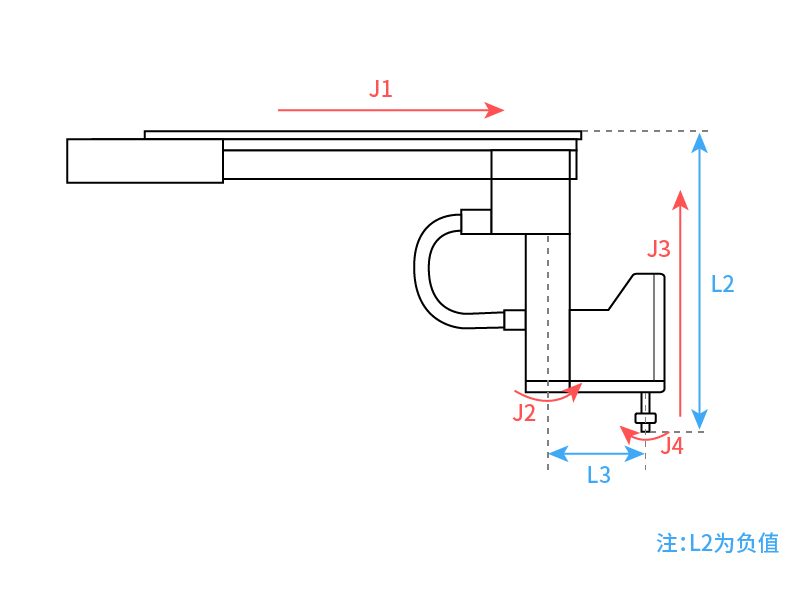
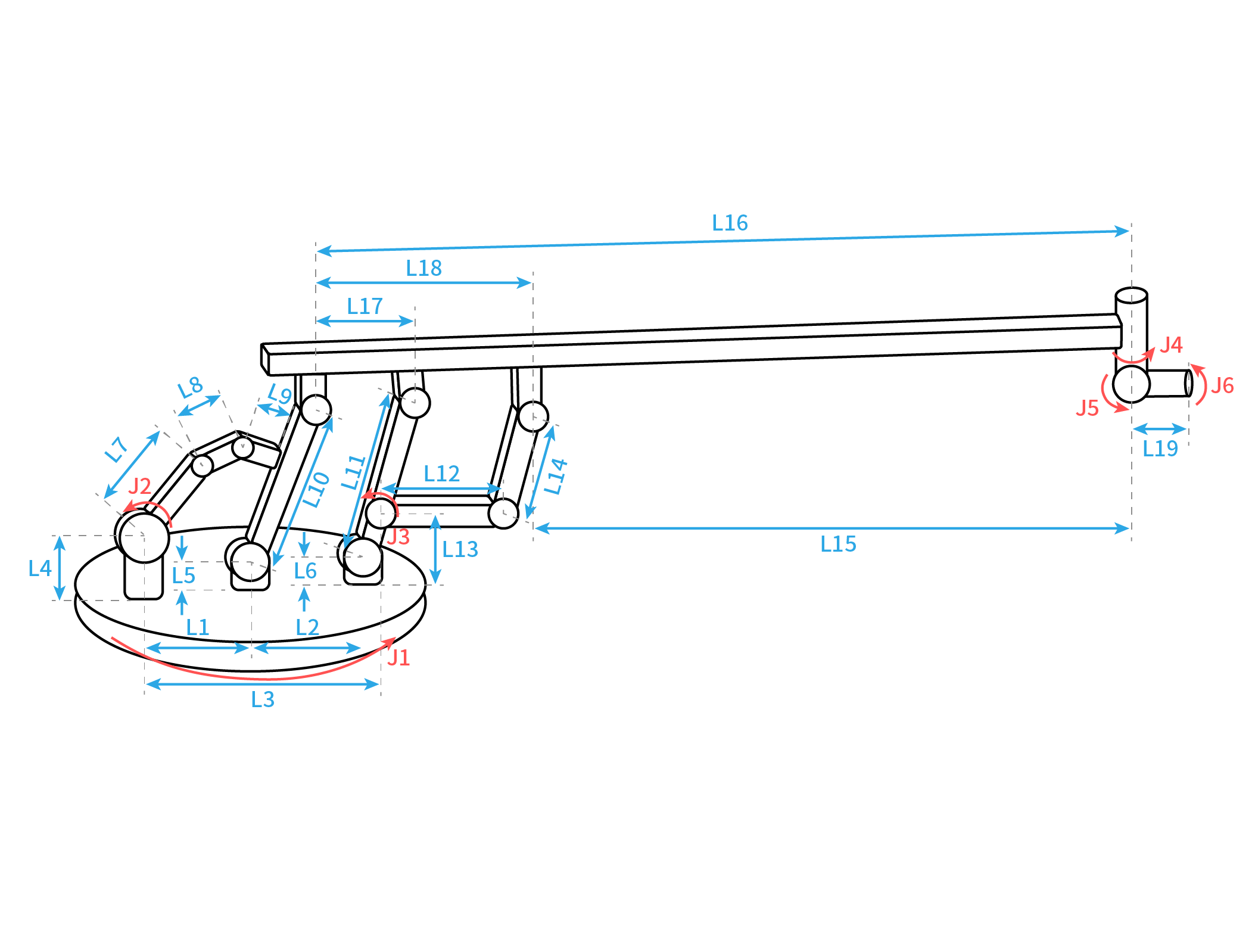
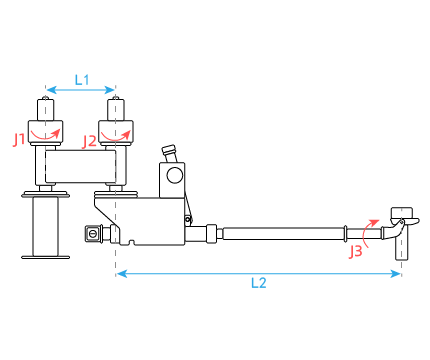
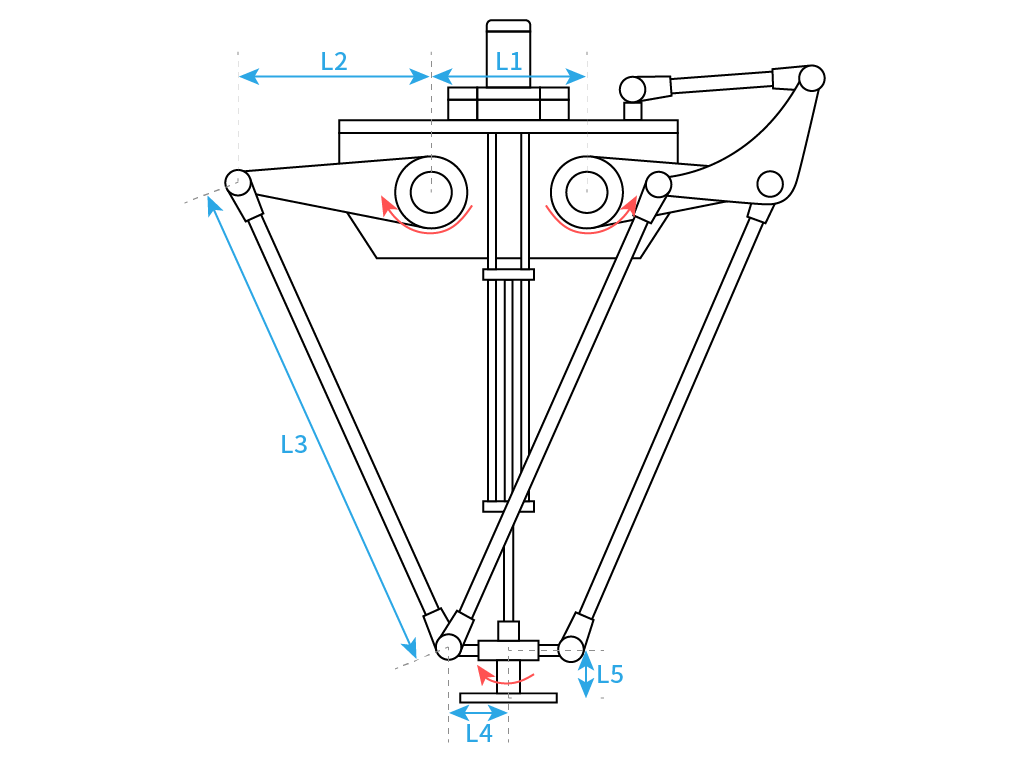
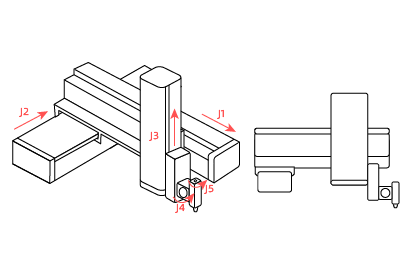
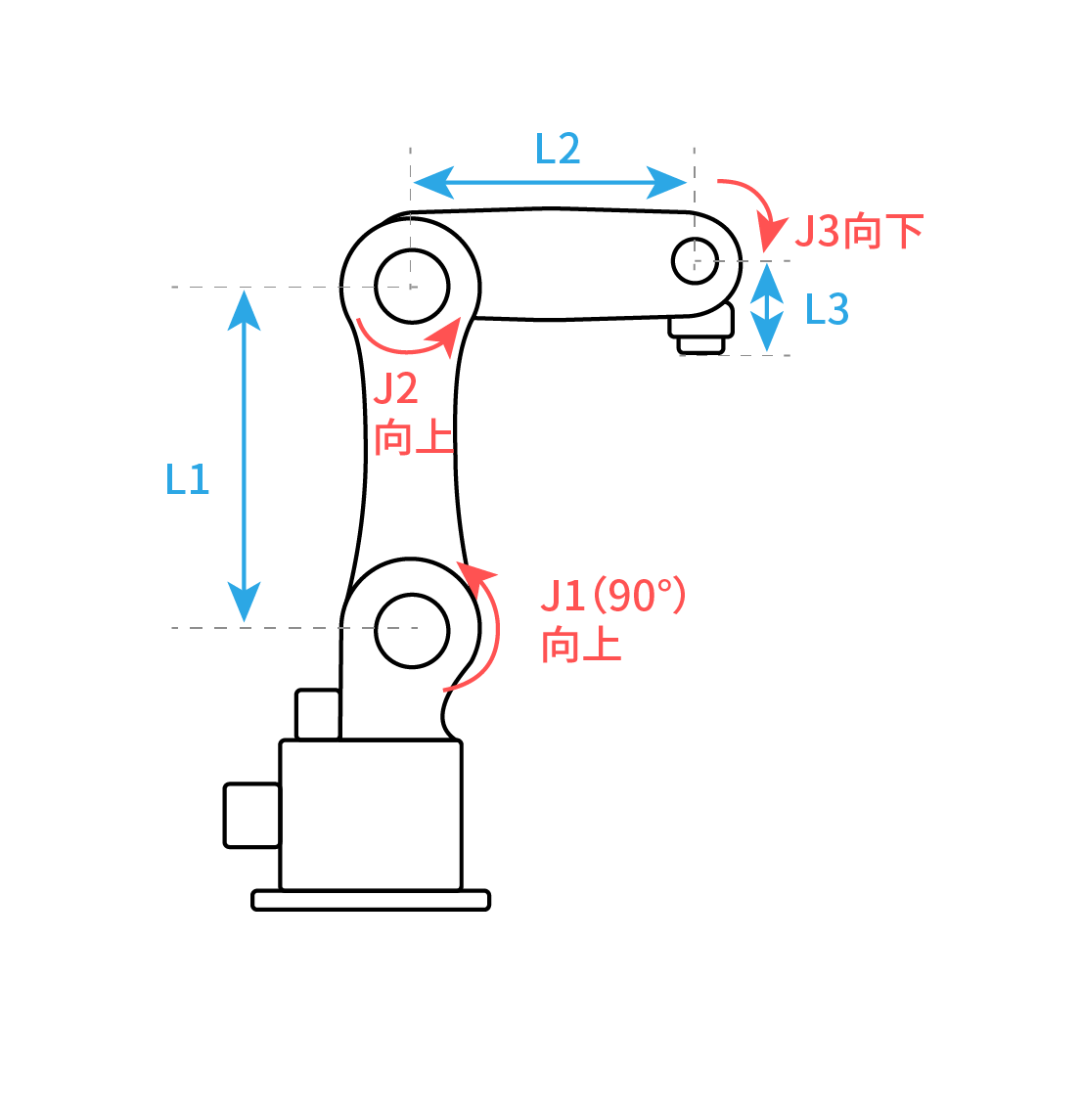
External Axis Types Supported by NexDroid
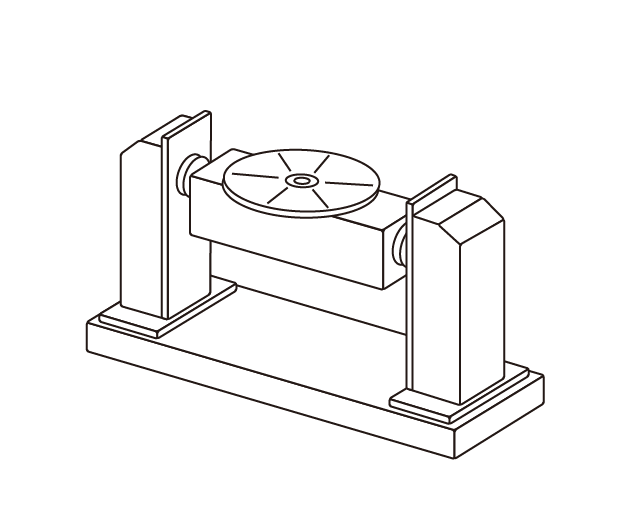
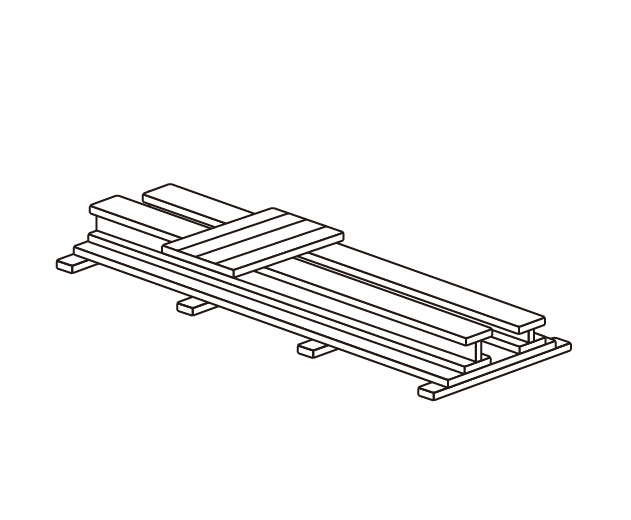
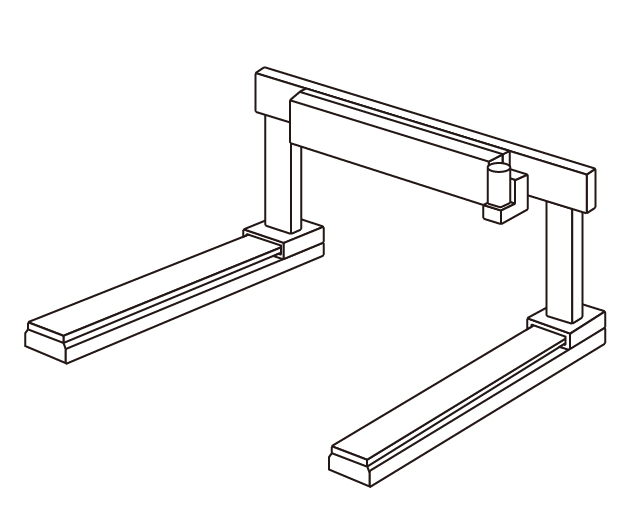
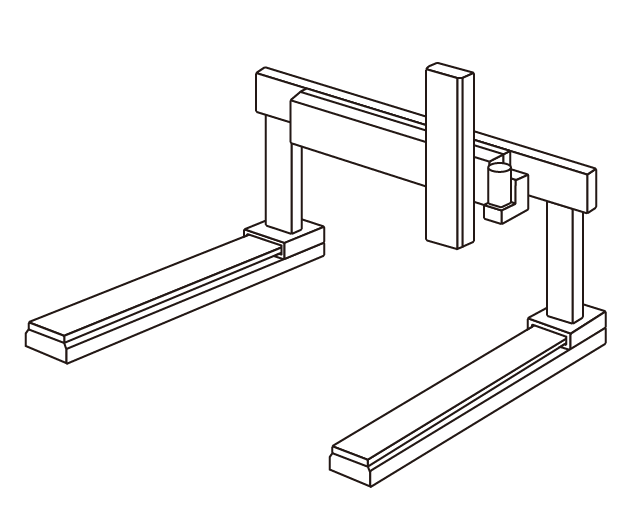
Servo Models Supported by NexDroid
| Brand | Model | Communication protocol |
| CoolDrive | R series | EtherCAT |
| RC series | ||
| RD series | ||
| A8 | ||
| RA series | ||
| CS series | ||
| Jiutong | All EtherCAT models | EtherCAT |
| Han's | All EtherCAT models | EtherCAT |
| Panasonic | MADLN05BE | EtherCAT |
| MADLN15BE | ||
| MADLN25BE | ||
| MADLN55BE | ||
| MEDLN83BE | ||
| MCDHT3520BA1 | ||
| MDDHT3530BA1 | ||
| MADHT1507BA1 | ||
| MADHT1505BA1 | ||
| MDDLT55BF | ||
| MEDLT83BF | ||
| MBDLT25BF | ||
| MCDLN35BE | ||
| STEP | AS260_1 | EtherCAT |
| AS260_3 | ||
| AS260_4 | ||
| ZeroErr | eRob70F | CANopen, EtherCAT |
| Tuke | i3DW | EtherCAT |
| i3DS | ||
| Hangtian Saineng | ASD6_3 | EtherCAT |
| ASD6_4 | ||
| Yiyou | proServo-Planet | CANopen |
| proServo-Harmonic | CANopen, EtherCAT | |
| HCFA | X3E | EtherCAT |
| A2 | ||
| Estun | All EtherCAT models | EtherCAT |
| Orui | Dual-axis | EtherCAT |
| Gaochuang | All EtherCAT models | EtherCAT |
| TECO | JSDG2 | EtherCAT |
| JSDG2S | ||
| Maixin | EP3 | EtherCAT |
| EP3E_6 | ||
| ADTECH | QXE | EtherCAT |
| Delta | ASDA_A2 | EtherCAT |
| Rujing | All EtherCAT models | EtherCAT |
| YAKO | All EtherCAT models | EtherCAT |
| INVT | DA200 | EtherCAT |
| Enpu | All EtherCAT models | EtherCAT |
| XINJE | DS5 | EtherCAT |
| Erzhi | All EtherCAT models | EtherCAT |
| Kaixuan | All EtherCAT models | EtherCAT |
| Sanyo | All EtherCAT models | EtherCAT |
| Zhenzheng | WA | EtherCAT |
| Taike | All EtherCAT models | EtherCAT |
| Dongling | All EtherCAT models | EtherCAT |
| Inovance | IS620 | EtherCAT |
| SV630 | ||
| SV680 | ||
| IS810N_1 | EtherCAT | |
| IS810N_2 | EtherCAT | |
| Inovance_SV660 | EtherCAT | |
| inovance_sv630n | EtherCAT | |
| Weimiao | 300N series | EtherCAT |
| Xinchuan | All EtherCAT models | EtherCAT |
| Deou | All CANopen and EtherCAT models | CANopen, EtherCAT |
| SINE | All EtherCAT models | EtherCAT |
| Huacheng | ESTS series | EtherCAT |
| Saifude | ASD625B | EtherCAT |
| PeiTian | PeiTian_115 | EtherCAT |
| PeiTian_125 | EtherCAT | |
| PeiTian_X5_7 | EtherCAT | |
| HCFA | HCFA_X6B | EtherCAT |
| HCFA_Y7 | EtherCAT | |
| HCFA_Y7B | EtherCAT | |
| HCFA_X5B | EtherCAT | |
| HCFA_X3E | EtherCAT | |
| QingChuan | QingChuan_M1 | EtherCAT |
| Diweixun | DVS | EtherCAT |
| ELESY | ELESY_ES2 | EtherCAT |
| TianTai | TianTai | EtherCAT |
| Leadshine | Leisai | EtherCAT |
| Yaskawa | Yaskawa | EtherCAT |
| WeiNa | WeiNa_600B6 | |
| Raynen | RA1E | |
| RA3E | ||
| Motong | MT_M800 | |
| MT_M820 |
Digital Welders Supported by NexDroid